Confession: I hate exit tickets.
The theory behind them is solid, but in practice, they are largely incompatible with my teaching style, for two reasons:
- I am the reigning queen of ADHD time blindness. I barely notice the bell signaling the end of class, and you think I’m going to remember to stop two or three minutes early so the kids can complete an exit ticket? Oh, you sweet, summer child.
- One of the biggest strengths of my teaching style is its flexibility. If we’re playing a game, or I’m in the middle of explaining something to a student who asked a last-minute question, or the kids are deeply invested in a class discussion, it would be silly to interrupt that to do something less engaging just so I can check a box on my lesson plan. Good teaching is about knowing when to switch activities and when to say, “Meh. This is better than what I came up with for today. Let’s just roll with it.”
That said, consultants and instructional coaches LOVE exit tickets and will extol their virtues with evangelical zeal at every opportunity. Rather than waste time arguing with fangirls, I simply include a line on every lesson plan that says, “Closer: Exit ticket (5 min.)” and keep a supply of four or five different types and styles of exit tickets on hand to whip out on those days when my executive functioning decides to report for duty. I spent part of one weekend prepping these in bulk so I’d have them available for instant use, which is much easier than trying to remember to prep a kajillion little slips of paper every week.
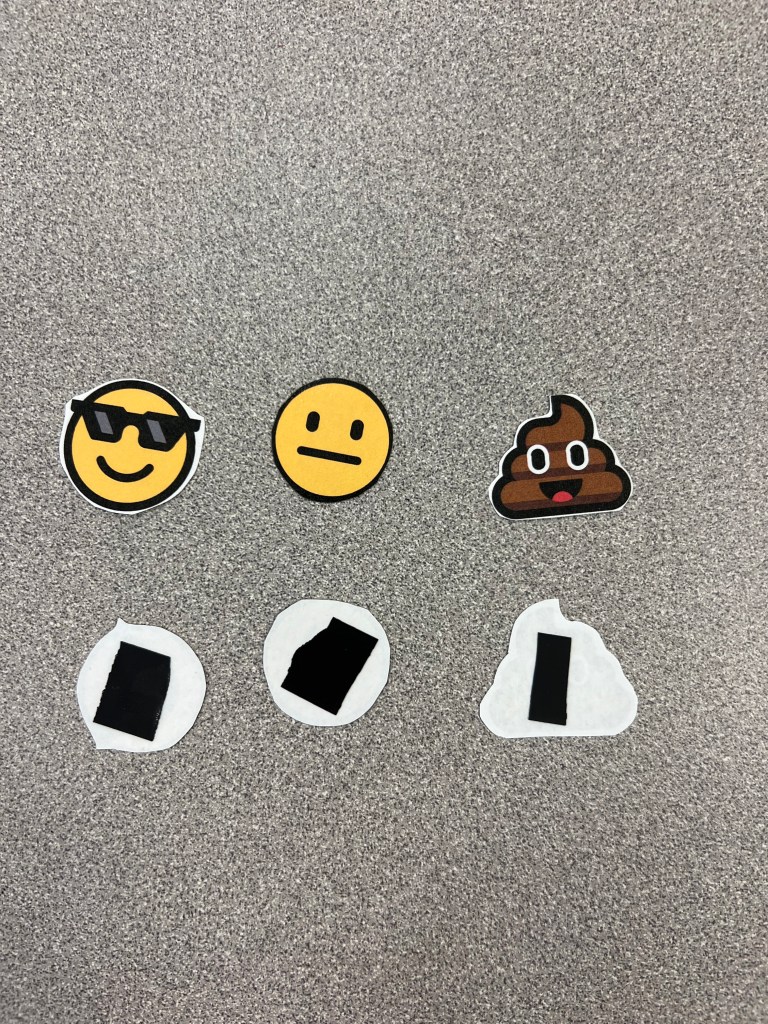
One of my favorites took the better end of an hour to prep, but it’s reusable, memorable, visually interesting, and involves metacognition, which is another fashionable buzzword. If you want to make your own, here’s what you do:
- Open a Google Doc, select a 75-point or larger font, and type enough sunglasses emojis to fill a page. (To save time, fill one line and then copy and paste as many times as necessary.)
- Repeat with the “meh” and poop emojis.
- Print two single-sided copies of the document, laminate it, and cut out the emojis.
- Stick a piece of magnetic tape on the back of each emoji and store them in baggies or small containers.
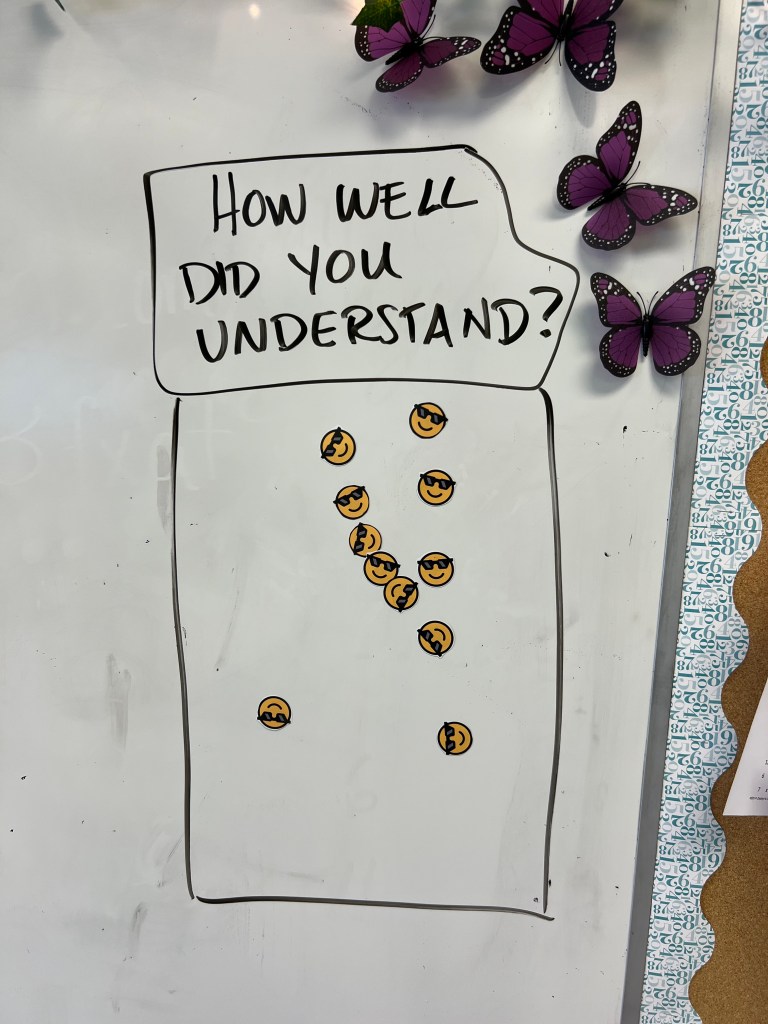
The next time you have a minute or two left at the end of class, get out your emojis and tell the kids that their exit ticket is to choose the one that best matches their current understanding of the lesson and stick it on the board.
Consultants LOVE this, because it hits six buzzwords at once: It’s an exit ticket that serves as a formative assessment by using metacognition as part of the learning cycle in a way that boosts engagement through relevance. (By “relevance,” I obviously mean “scatological humor,” which is EXTREMELY relevant to kids. They love that 💩.)
 Foolish Wand-Waving